
Digital ESG: Tracking Canteen Waste in Modern Tech Hubs
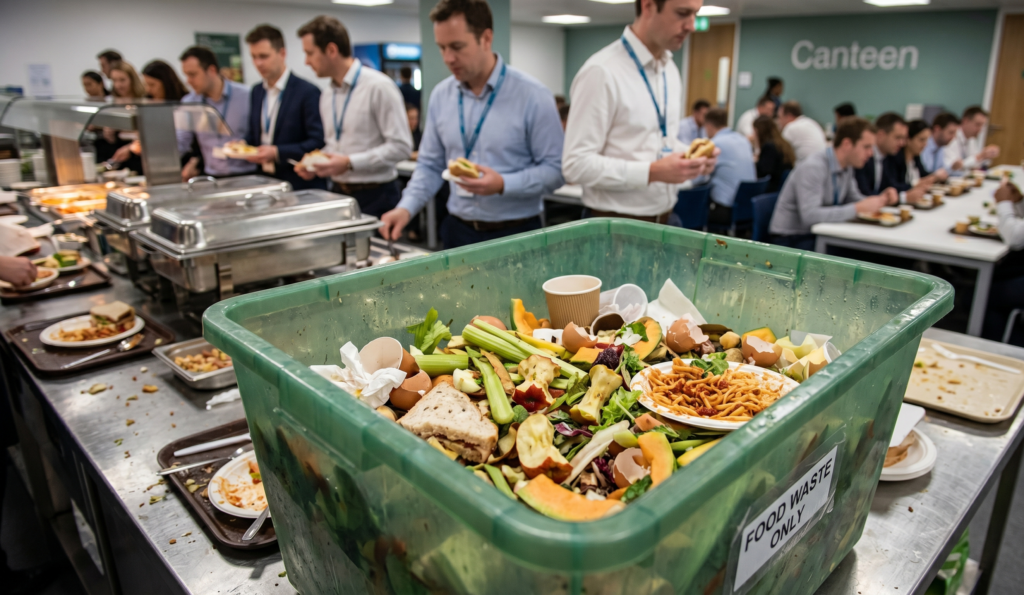
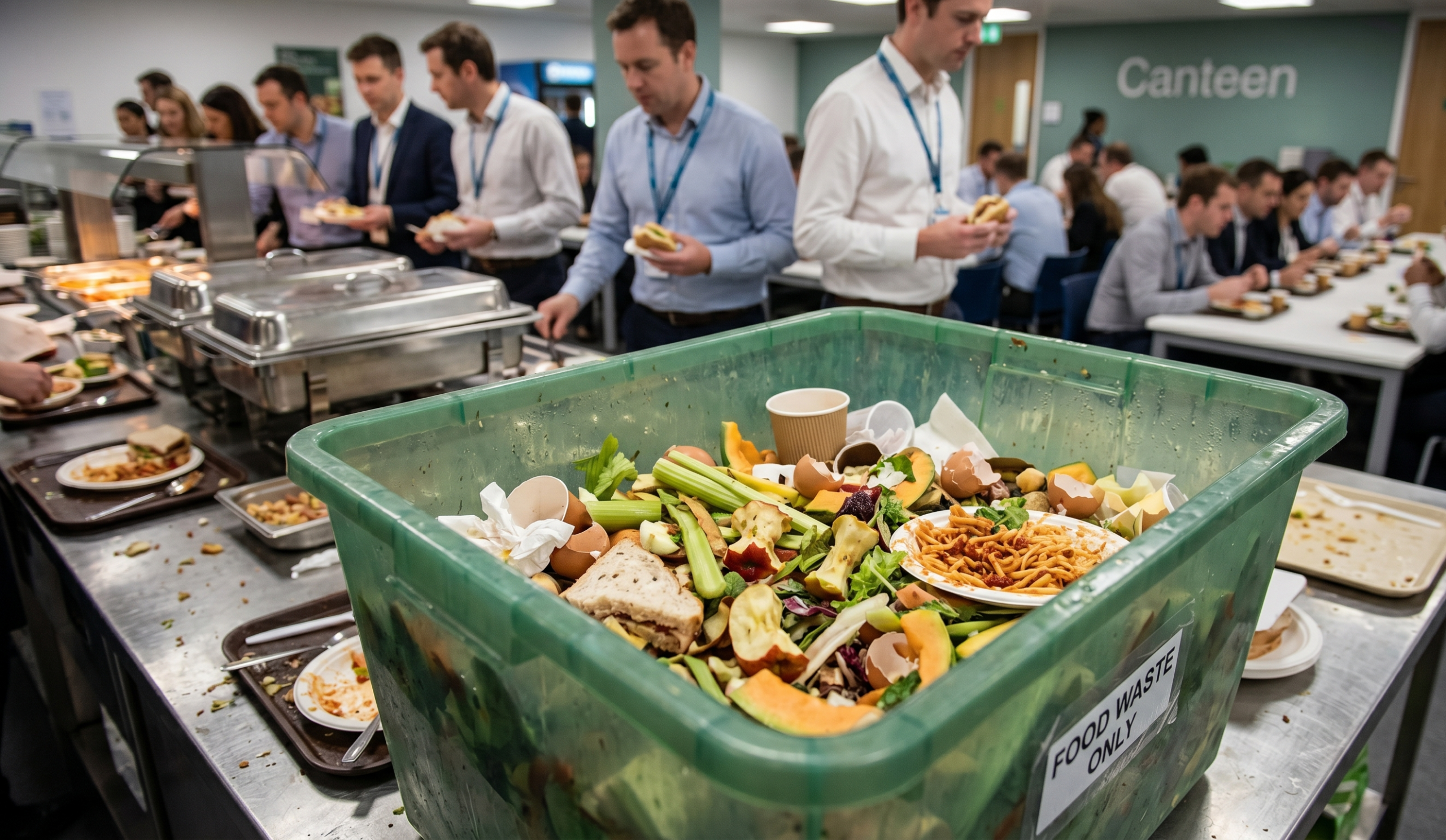
With sustainability becoming a bigger priority for businesses, Corporate kitchen sustainability has become an essential issue that must be addressed. While large kitchens can significantly improve the experience of employees, they are also big contributors to food waste, often without knowing exactly how much food is being consumed. Nowadays, digital ESG frameworks allow companies to shift from reactive waste handling to data-driven waste reduction.
The Hidden Challenge in Corporate Cafeterias
Corporate campuses are known for offering high-quality, subsidized dining experiences. However, behind this convenience lies a persistent operational challenge – food wastage and improper management thereof. In traditional setups, proper measurement techniques to determine the inefficiencies within the food preparation processes, which caused the preparation of excess amounts of food, resulting in increased procurement costs and avoidable waste accumulation.
With evolving regulatory frameworks such as the Solid Waste Management Rules, 2026, organizations are now expected to adopt more structured and accountable approaches to waste management. This shift makes Corporate kitchen sustainability not just an environmental initiative, but a compliance and cost-efficiency imperative.
Digital ESG: A Smarter Approach to Waste Management
Digital ESG brings technology into everyday operations to create measurable environmental impact. In corporate kitchens, this translates into intelligent systems that monitor, analyze, and optimize food waste in real time.
Technologies such as artificial intelligence-powered Image recognition, IoT-integrated weighing systems, and centralized dashboards provide actionable insights into waste generation. These tools help identify what is being discarded, when waste peaks occur, and how it impacts overall operational costs, turning waste into quantifiable data.
From Data to Actionable Insights
What makes digital tracking useful is its effect on decision making. By having access to accurate data, kitchen teams can align with production more closely with actual consumption patterns.
This would make it easier to create menus that do not result in overproduction, as well as eliminate products that have low consumption rates, while reducing waste at the source, strengthening Corporate kitchen sustainability efforts.
Enabling Compliance and Transparency
Other than operational efficiency, the utilization of digital tools for the management of waste helps companies ensure that they satisfy the ESG requirements. The ability to generate automatic reports helps organizations to become compliant with audit requirements and remain accountable concerning waste management.
This has been necessary in light of meeting the sustainability goals of the company.
Closing the Loop: Towards Circular Kitchen Ecosystems
Alongside the management and reduction of waste, companies that think ahead are now exploring ways to close the loop when it comes to producing waste. By using their resources in recycling facilities, companies can convert food waste into usable substances such as compost and even sources of energy.
This change in the linear process to the circular process is a vital step in ensuring corporate kitchen sustainability within corporate ecosystems.
No Comments